FDM 3D printing and 3D printer repair, guaranteed by Jose
Corsair Custom 3D is a home-based shop serving Mississauga, ON and surrounding areas. One person prints your part, fixes your printer, and stands behind the result.
- Work guaranteed
- FDM only, done properly
- R/C planes and jets
- Parts for companies
What Corsair Custom 3D does
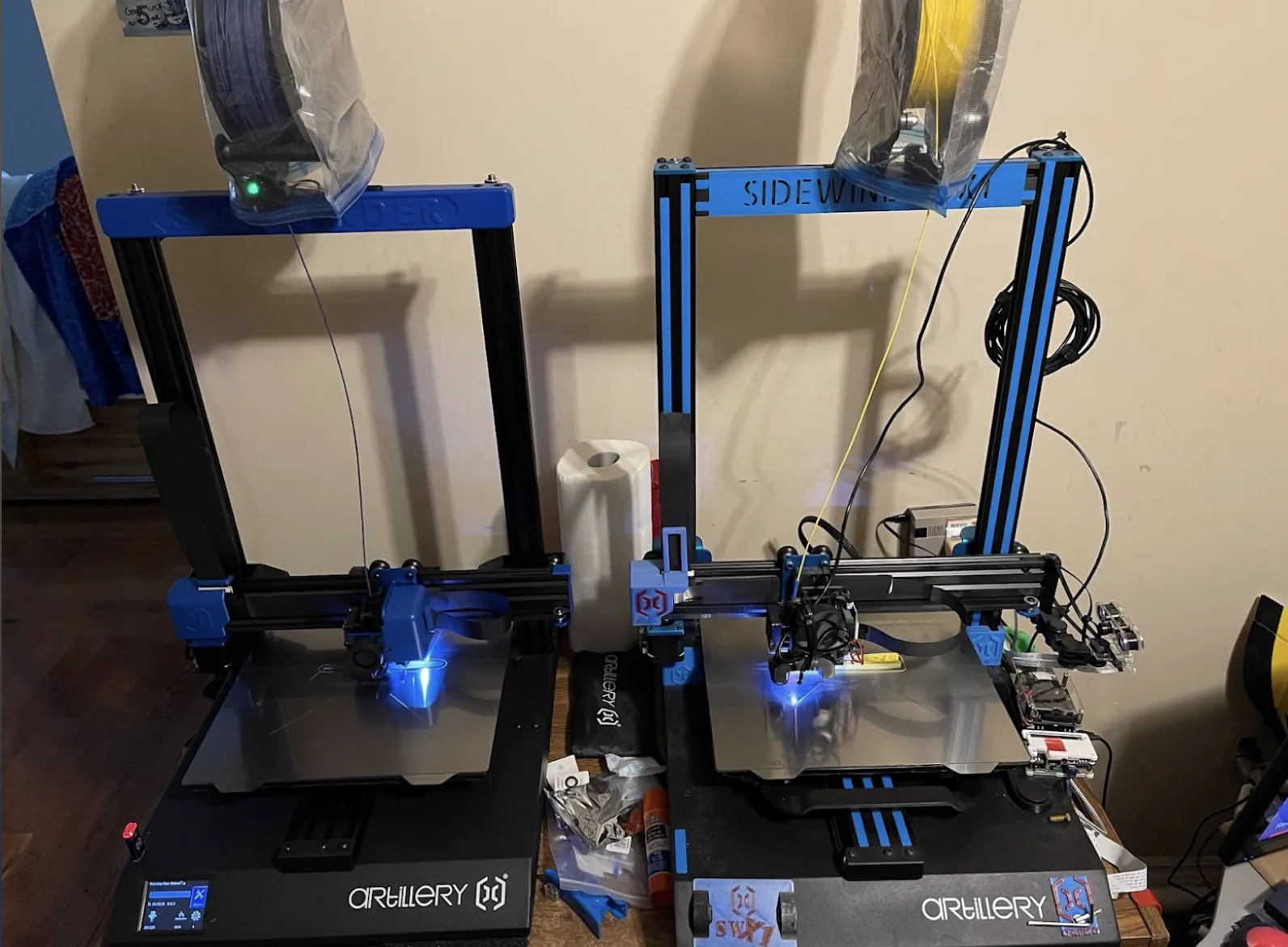
Corsair Custom 3D focuses on fused deposition modelling, usually shortened to FDM. A heated nozzle lays down molten plastic one thin layer at a time, and that simple idea covers an enormous range of work: a replacement knob for a machine that is no longer sold, a set of jigs for a small production line, a printed wing section for a radio-controlled jet, or a one-off enclosure that has to fit an awkward space. The shop is run by Jose from a home workshop, which keeps overhead low and means you deal with the person who actually does the printing and the repairs.
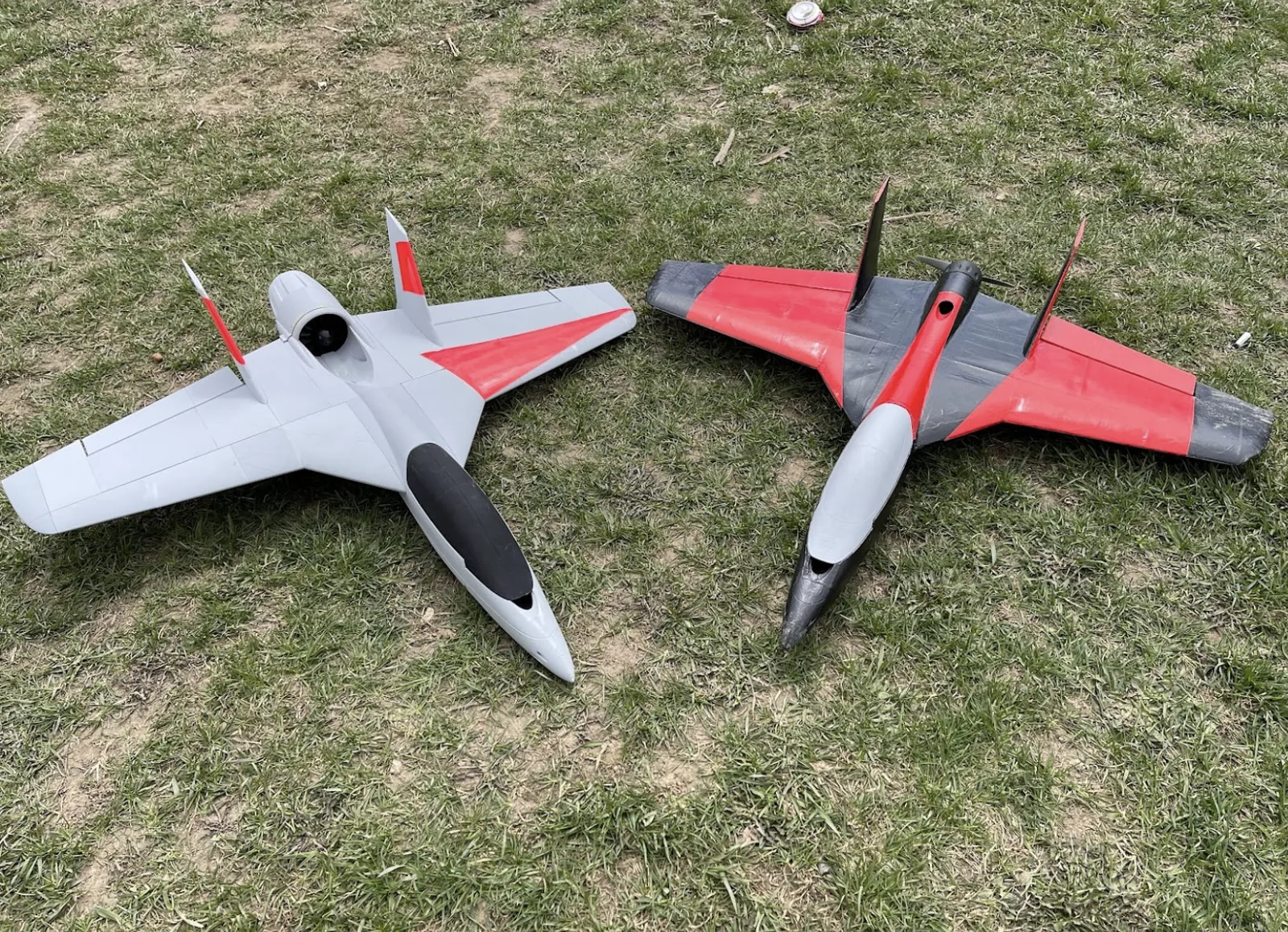
Three kinds of work make up most of the day. The first is custom printing for individuals and small businesses, covered on the 3D printing services page. The second is repair and tuning of other people's FDM printers, covered on the printer repair page. The third is the hobby that started a lot of this: printing R/C planes and jets and the spare parts that keep them flying, described on the R/C planes and jets page.
Services at a glance
3D printing
Custom FDM prints in PLA, PETG, ABS, ASA and flexible TPU. Prototypes, one-offs and small runs. Details on materials and tolerances.
Printer repair
Clogged extruders, bed leveling problems, loose belts, failing hotends and Klipper tuning. See the full repair list.
R/C planes and jets
Printed airframes, fins, nose cones, mounts and crash-repair parts for model aircraft. Read more on the R/C page.
Business parts
Custom and replacement parts that companies need printed: fixtures, covers, brackets, spares. See parts for businesses.
Why people choose a small FDM shop
A large print farm optimises for volume. A home-based shop can optimise for the job in front of it. If a part keeps cracking along a layer line, Jose can talk through why, turn the part ninety degrees on the bed, change the wall count, or suggest a different plastic, because the same person sees the part both on the screen and on the printer. When a printer arrives for repair, the cause is checked rather than swapping parts until the symptom goes away. That habit of diagnosing first is what makes a guarantee realistic.
Honest advice is part of the service. Sometimes FDM is not the best process for a part, for example when you need a perfectly smooth cosmetic surface or a very large, thin-walled shell. In those cases Jose will say so, rather than printing something that will disappoint you. The quality guarantee page explains what that promise covers and how problems are handled.
A recent design project
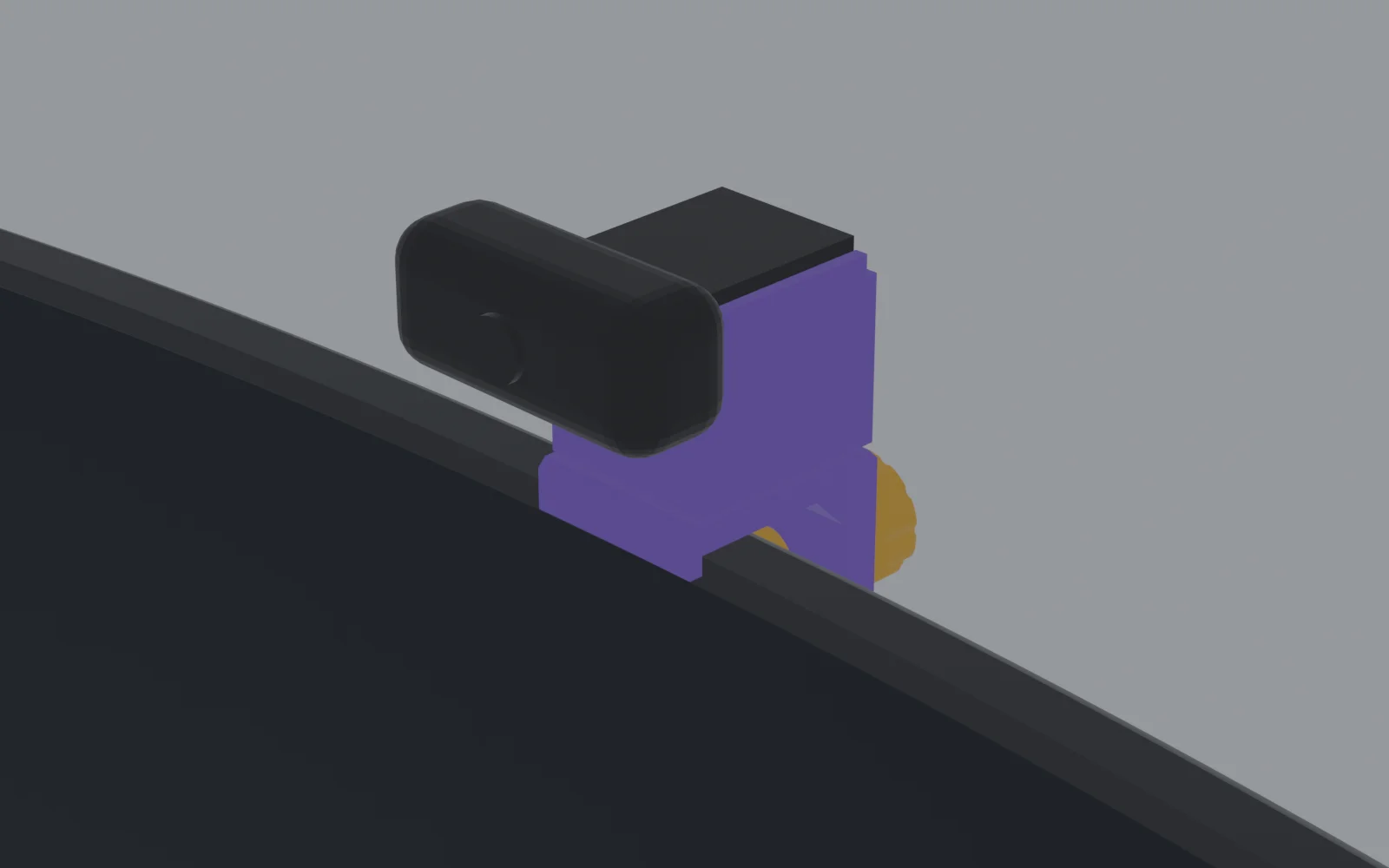
To show how a custom part comes together, the site includes a worked example: a 3D-printed webcam mount for a curved monitor that went through three versions, ending with a printed M16 thumbscrew and a camera that pans 90 degrees each way. It was designed as a parametric model with AI assistance (Claude), then printed in-house, with fit clearances tuned from caliper measurements. The webcam mount case study walks through each version, the dimensions that mattered, and what changed between them.
Who the shop is for
The people who write in tend to fall into four groups. Hobbyists and R/C pilots need a fin, a nose cone or a motor mount that no shop sells. Printer owners have a machine that clogs, will not level or prints with ringing artefacts, and want it diagnosed properly. Small businesses and tradespeople need a discontinued knob, a holder or a bracket that would otherwise mean waiting for weeks or replacing a whole assembly. And designers or inventors need a prototype they can hold, test and improve. If you fit none of these but have something to make or mend, ask anyway.
Materials in everyday use
Most parts are printed in one of five plastics: PLA for accurate indoor pieces, PETG for tougher everyday parts, ABS for warm environments, ASA for sunlight and weather, and TPU where a flexible, grippy or shock-absorbing part is needed. The right choice depends on where the part lives, so the first reply to your message will usually include a recommendation and the reasoning behind it.
How a typical job runs
- Send the details. Describe the part or the printer problem by email, and attach photos, drawings or an STL file if you have them.
- Get a plain-language reply. Jose confirms what is possible, suggests a material, and gives a quote before anything is printed or opened up.
- Printing or repair. The work is done in the home shop and checked against the agreed spec.
- Handover and follow-up. You collect or arrange delivery, and if something is not right, the guarantee applies, with no fixed time limit and a generous attitude to reprints.
The full walk-through, including what to include in your first message, is on the how it works page, and common questions are answered in the FAQ.
Where the shop works
The shop is home-based, so there is no public storefront and no walk-in counter. Jobs are arranged by message, and handover details are agreed per job. The service area is Mississauga, ON and surrounding areas, including much of the Greater Toronto Area. If you are further away, send a message anyway: small printed parts are easy to ship, and printer repair advice often works at a distance.
Start with a message
The quickest way to get a price or a straight answer is to email corsaircustom3d@gmail.com. The contact page lists exactly what to include so the first reply can be useful. If you would like to see more of the work first, browse the gallery or read about Jose and the shop.